
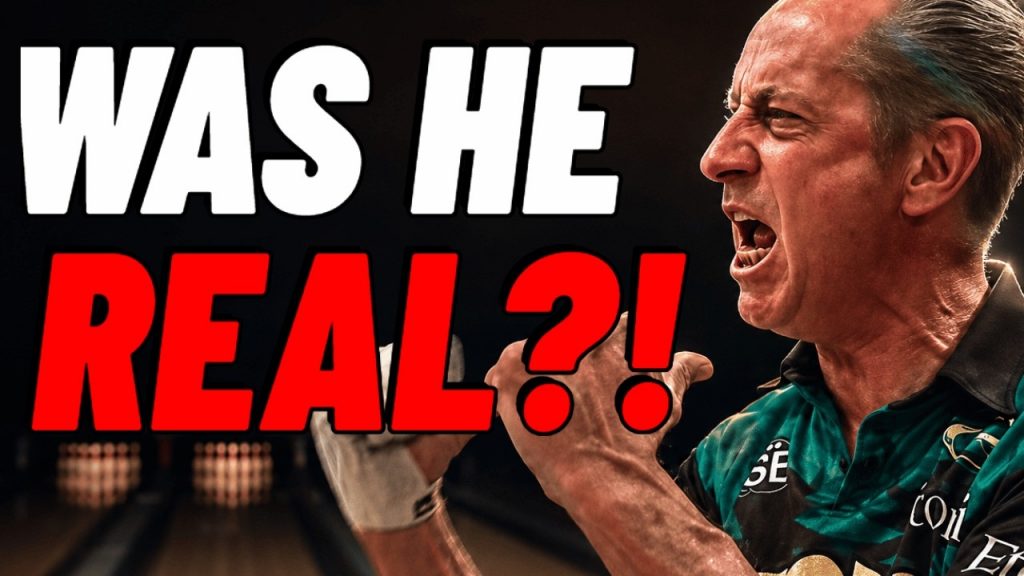
Pete Weber’s Greatest Shot Was Erased by 14 Seconds & A Ghost
Pete Weber won a record fifth U.S. Open by a single pin on February 26, 2012, then screamed at a heckler nobody has ever been able to find. The clip erased the achievement.
Pete Weber won a record fifth U.S. Open by a single pin on February 26, 2012, then screamed at a heckler nobody has ever been able to find. The clip erased the achievement.
In 1960s New York, a loaded bowling ball worked because there was no inspector in the room. In 2022, the same mechanism ran undetected in USBC sanctioned competition for two years.
The PBA inspected every ball a pro threw — and never once checked whether he was trying to win. Hall of Famer Carmen Salvino wrote down what the inspectors could not reach.
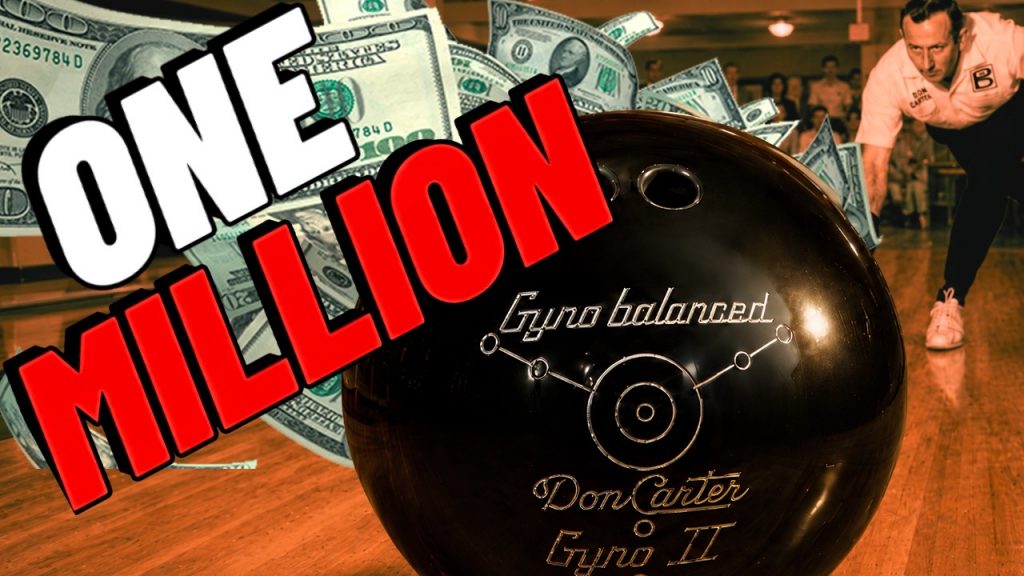
In 1964, Don Carter signed a one-million-dollar endorsement with Ebonite—the first deal of its kind in American sports, forty times what Arnold Palmer earned from Wilson that year.
A mid-1960s switch to polyurethane lane finish — chosen for insurance math, not bowling — quietly ended the careers of the generation that built the PBA.
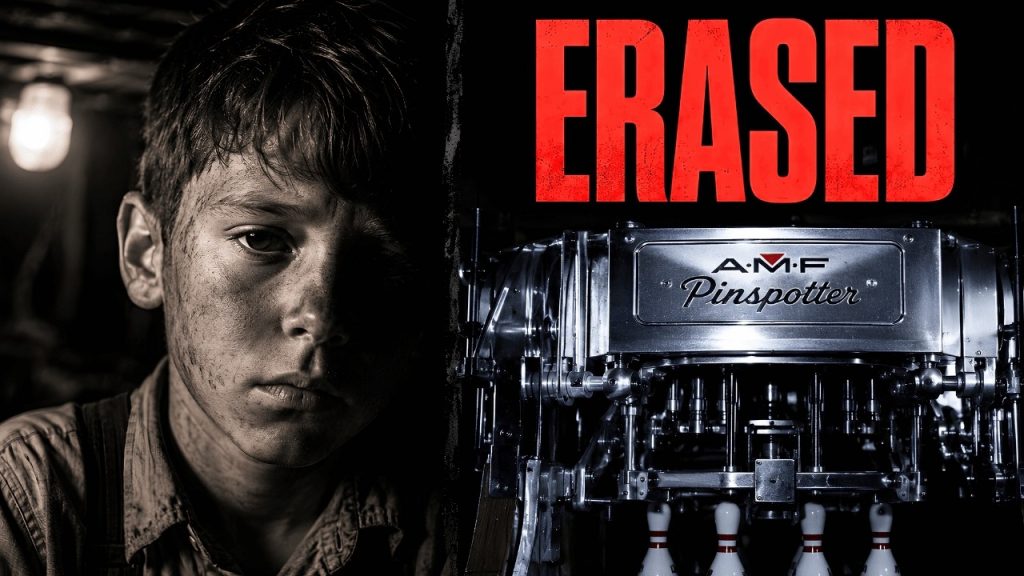
The AMF Automatic Pinspotter cost more per game than the children it replaced. The pinboys weren’t erased because they were expensive — they were erased because they were human.
Frank Esposito was the PBA regional director who blocked Ernie Schlegel from the tour for four years. He was also the owner of the alley where he had already barred him as unsavory.
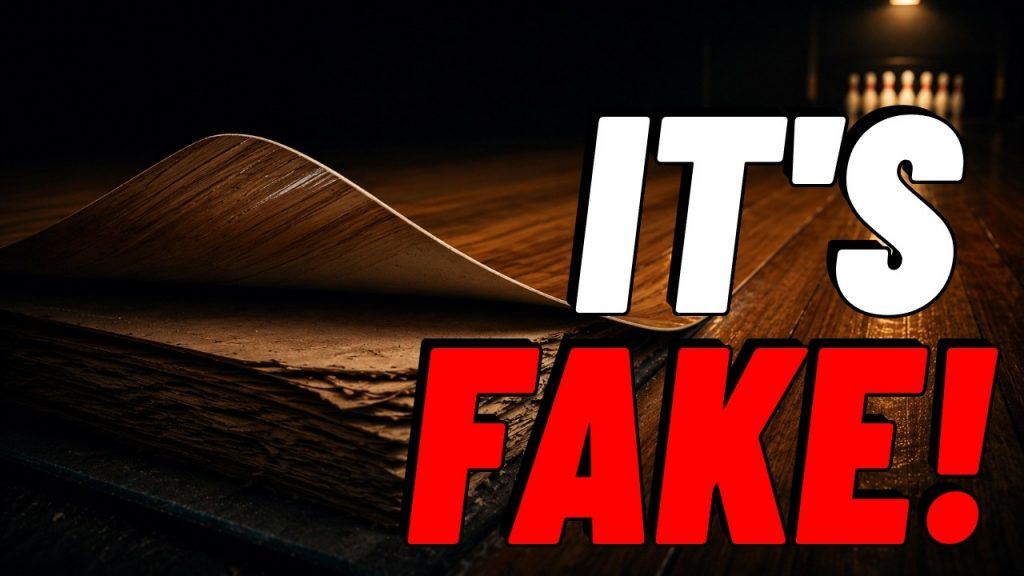
The wood grain on most American bowling lanes is a photograph of wood, pressed from kraft paper in one factory in Maine. How the sport swapped its floor without anyone noticing.

In 2023, VICI Properties — the Las Vegas casino landlord behind Caesars Palace — bought the ground under 38 Bowlero centers. Bowlero’s own SEC filings book the cash as a financing obligation, not a sale.
The Professional Bowlers Association hands its Playoffs winner a real WWE championship belt. Not a prop. The two executives who