The Cheat That Built Pro Bowling Still Works
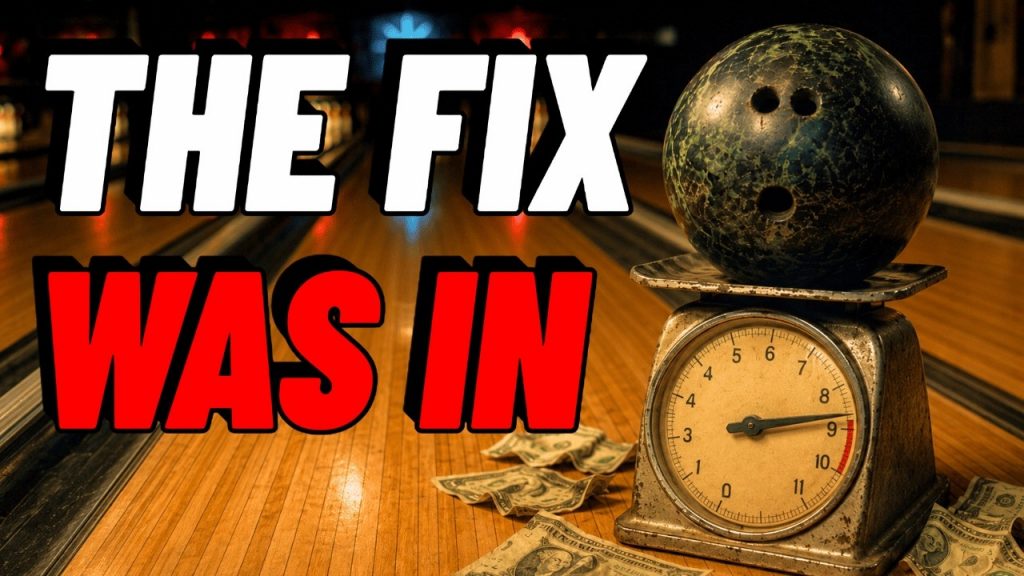
In 1960s New York, a loaded bowling ball worked because there was no inspector in the room. In 2022, the same mechanism ran undetected in USBC sanctioned competition for two years.
In 1960s New York, a loaded bowling ball worked because there was no inspector in the room. In 2022, the same mechanism ran undetected in USBC sanctioned competition for two years.
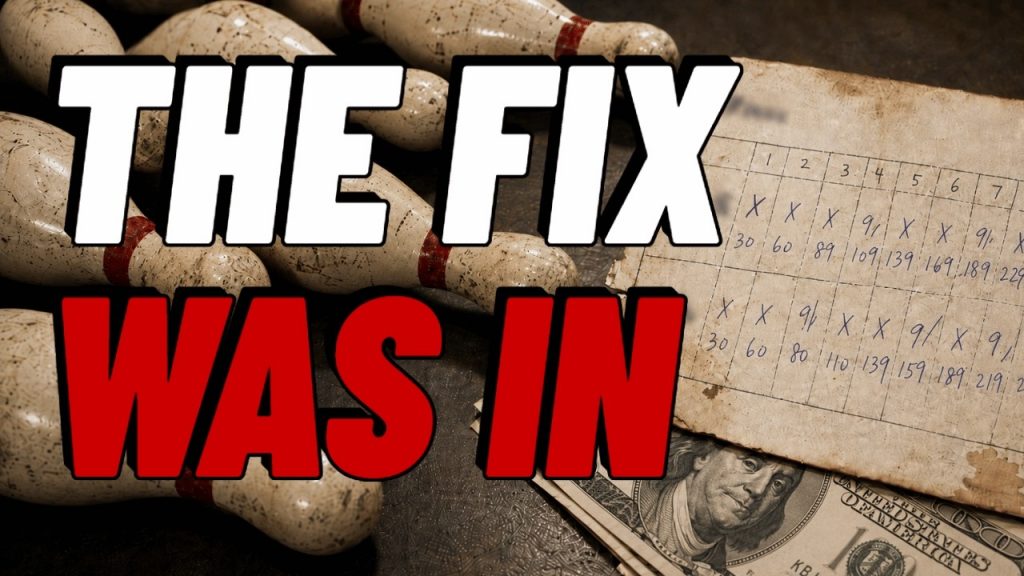
The PBA inspected every ball a pro threw — and never once checked whether he was trying to win. Hall of Famer Carmen Salvino wrote down what the inspectors could not reach.
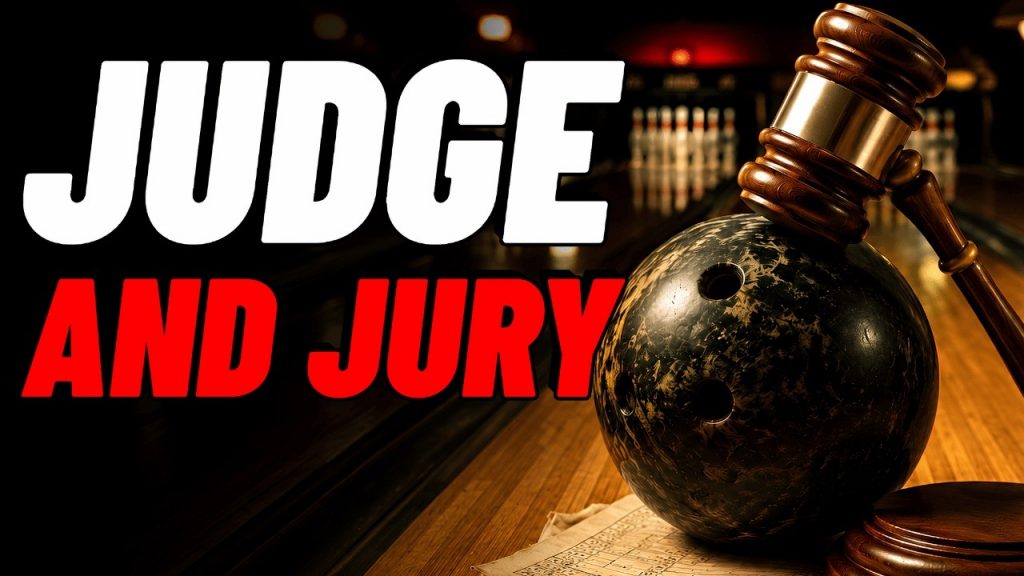
Frank Esposito was the PBA regional director who blocked Ernie Schlegel from the tour for four years. He was also the owner of the alley where he had already barred him as unsavory.
In February 2022, three bowling balls failed pre-broadcast hardness testing at the PBA Tournament of Champions. The PBA banned the balls, never named the bowlers, and changed the rule. It’s the same thing they did in 1973.
On August 1, 2019, the United States Bowling Congress killed the only rule protecting bowling’s competitive integrity. Forty-two days later, Bowlero bought the Professional Bowlers Association.