The 6 Bowling Ball Brands Robbing You Blind Are Secretly One Company
Three Companies Make Every PBA Ball Only three companies in the world are allowed to make the bowling ball a

Three Companies Make Every PBA Ball Only three companies in the world are allowed to make the bowling ball a
The Tire Company That Set the Price In 1965, the Professional Bowlers Association held its first Firestone Tournament of Champions
The Photo That Got a Man Banned In 1948, the American Bowling Congress banned a man from every alley it
The Number That Stopped Counting The Professional Bowlers Association sits at the top of a pyramid most bowlers never think
$42 a Week vs $7,800 a Night Through the early 1960s, Ernie Schlegel earned about $42 a week behind the
America’s #1 Sport at Its Peak On any given week in 1960, more Americans laced up bowling shoes than swung
The $254 Million Lie AMF Bowling is a two-hundred-fifty-four-million-dollar lie, disguised as a bankruptcy. The company that owns the Professional
Bowling’s Best Seat on Saturday TV For thirty-six years, the Professional Bowlers Association owned one of the best seats in
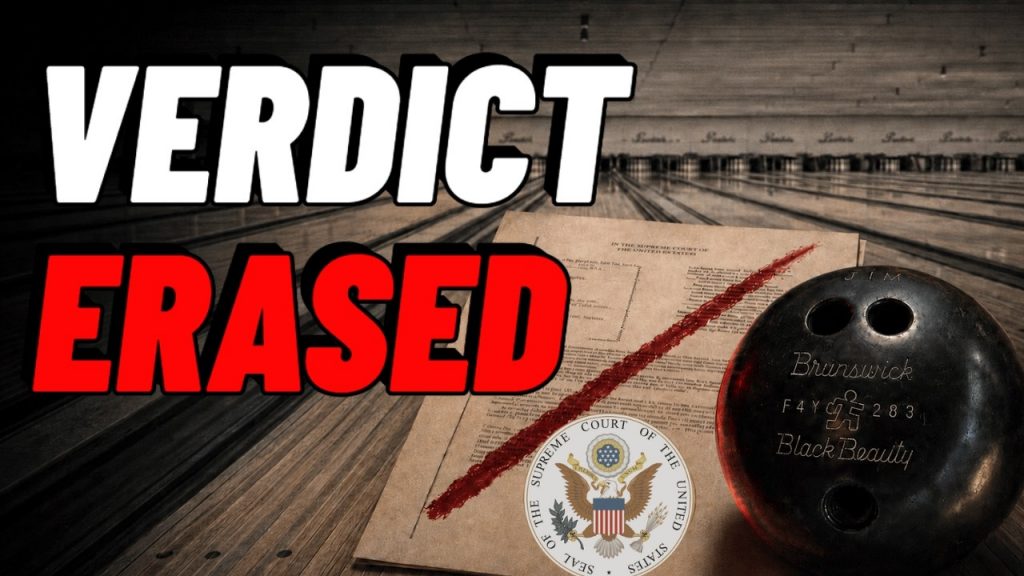
A jury awarded Pueblo Bowl-O-Mat $6.5 million against Brunswick. The Supreme Court wiped it and created antitrust injury—the doctrine now shielding Lucky Strike from its own bowlers.
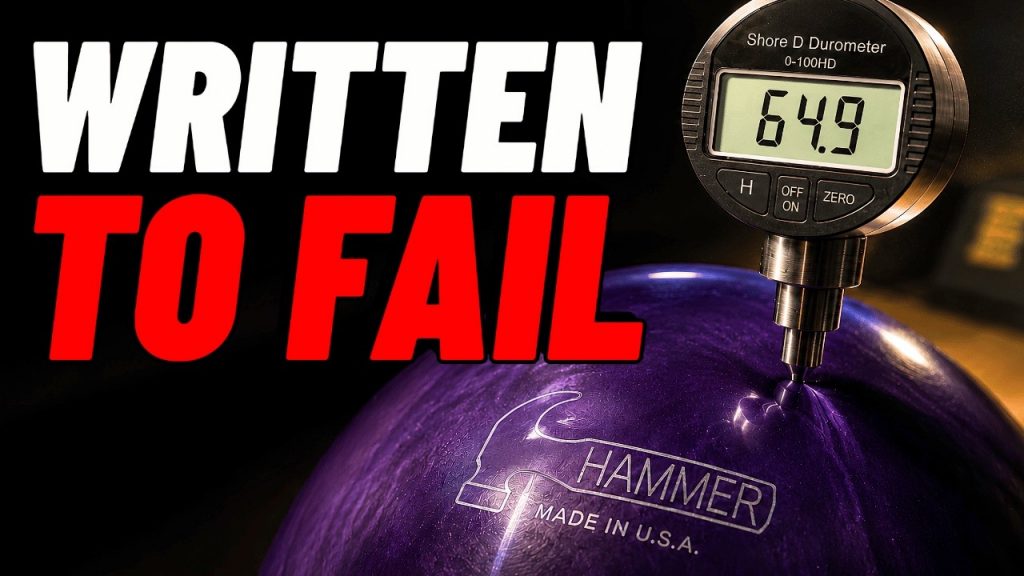
The USBC durometer test for illegal soft bowling balls contains a written rule that hands the tie to the manufacturer. SOP Ball 5 has had that loophole in it the whole time.